Maximize Your Kitchen’s Undersink
Karsten Miller July 22, 2026
Karsten Miller July 22, 2026
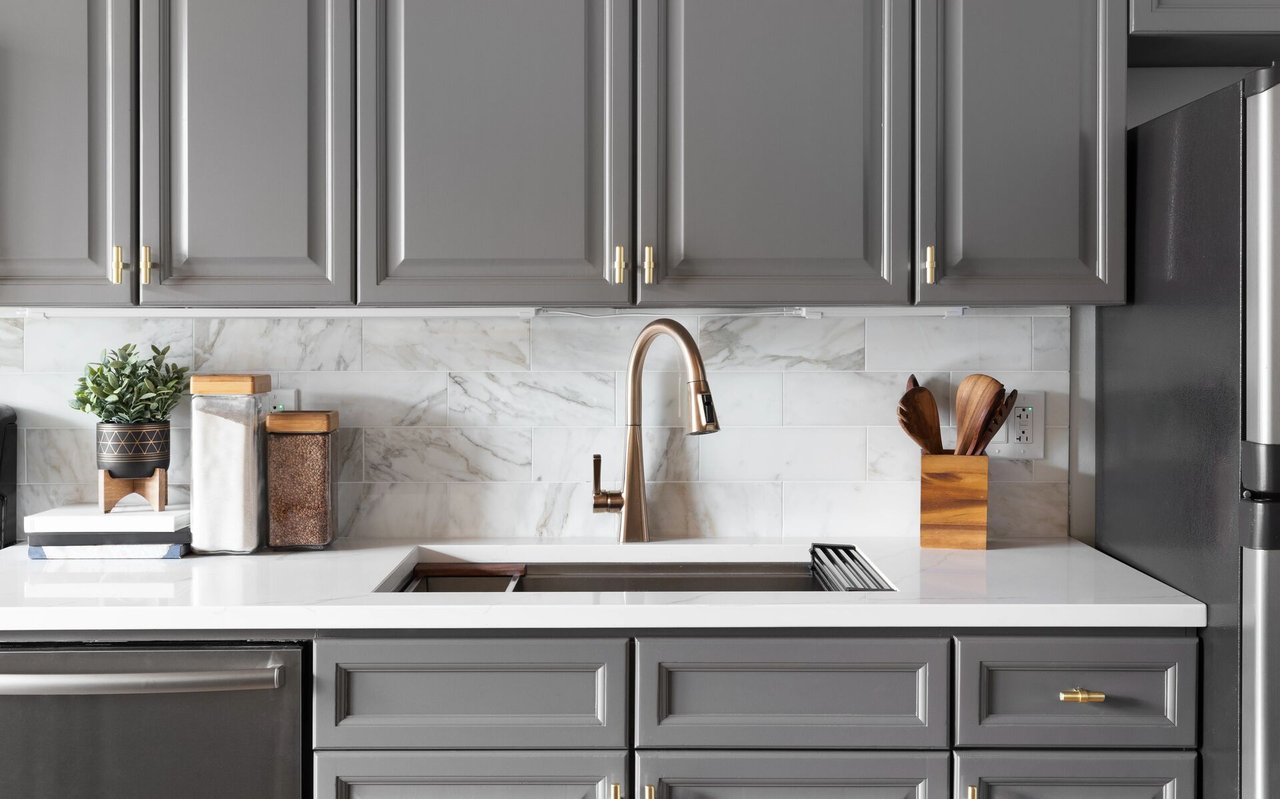
The undersink area is one of the trickiest when it comes to maximizing kitchen storage space. All the obstructions within it can leave you with odd and at times difficult-to-reach spaces. Here are some tips and tricks to turn this challenging area into storage bliss.

Some people get to customize their kitchen’s undersink storage setup as part of a renovation or a new build, but if you’re dealing with an existing space that’s being vastly underutilized, don’t despair. Many of the following ideas can be applied to a wide variety of spaces.

Many storage solutions look amazing in photos, but you need to consider the practicality of them in wet areas. Much of what’s stored under a sink is wet and possibly corrosive.
Sponges, towels and drips and spills can significantly affect how long things last. You also need to consider how easily things can be removed if you have to address an urgent plumbing problem or leakage.

Anything with a wood-melamine base, such as shelves and drawers, needs to stay dry. In just about every undersink area I’ve had in my home, the shelf had to eventually be removed due to swelling in the melamine.
If wood-based products are your only option, try to seal the edges as well as possible, or store only dry items in this area. Wood-based drawers are generally expensive, so you want to avoid the replacement costs.
Tip: There are specialized products on the market that look similar to melamine but are made with synthetic and completely waterproof materials. Do your research and talk to a cabinetmaker if you’re looking for a durable and waterproof solution.

Lining an undersink shelf with a plastic film, preferably one that has a slight lip in the corners, is a simple way to protect your cabinetry. Plastic trays and racks are also easy and effective solutions.
Tip: If you have an adjustable shelf, ask your cabinetmaker to edge the sides that are usually left raw; this will increase the longevity of the shelf should water leak into the corners.

Plastic products are a simple and cost-effective solution for undersink spaces. Grouping wet items together will reduce drips into the corners of your cabinetry and prevent swelling of the board.

These products come in a huge variety of shapes and sizes and can be great for maximizing space around the plumbing while keeping things visible and accessible. Three materials are commonly used in making them: stainless steel, aluminum and regular steel that has been either chromed or coated in a plastic film.
Tip: Always ask about a product’s warranty, as this will give you an indication about its suitability for wet or moist areas.

A U-shaped drawer can be made to fit your sink, creating storage in the nooks on either side of the sink that would otherwise be wasted.
Tip: If the drawer is wood-based, make sure the edges are kept as dry as possible (or sealed) to prevent water damage.

These U-shaped wire drawers provide more air circulation and better drying for sponges and wet items. This solution is a little less flexible and will require mixing and matching to make the pieces fit around the sink.
Tip: As noted earlier, regular chromed or coated steel (as opposed to stainless steel or aluminum) carries the risk of rust.

The narrow section in front of the sink is often overlooked, but converting it into a tilt drawer creates a great spot for storing frequently used small items.
Tip: It’s important to check a product’s hardware materials and warranty to make sure it’s suitable for wet items. These space-saving storage options can be pricey, so you want your investment to last.

Most undersink spaces are obstructed by pipes and other plumbing. Adding sliding storage to the lowest part of the cabinet is a great way to provide access to hard-to-reach areas. This is especially true if you have a shelf in the middle of the space. Slide-out bins come in many depths.
Tip: Consider practical issues when deciding on the size and placement of a bin. Under the sink may not be the ideal location if you have a large family or a very busy kitchen.

A simple drawer at the bottom of the cabinet is handy for storing items that aren’t used frequently. The drawer will be in an area where someone is often standing, so consider whether that’s practical.
Note the steel rod running the length of the upper cabinet — it’s a simple and space-efficient way to hold towels.

Mounting towel rails or racks to the inside of doors is an easy and inexpensive solution. It’s also a great place to store sponges and damp cloths, because they can dry out faster here.
Tip: If you have a decorative or routed door front, compare the thickness of the door and the length of the screw to make sure you don’t drill straight through. The undersink area is one of the trickiest when it comes to maximizing kitchen storage space.









I bring deep knowledge of 13+ Charlotte-area communities and personalized guidance for buyers, sellers, relocators, and investors. I’m here to provide straightforward, one-on-one support and guide you through every step, from our first conversation to closing day.